Project
DEMS – Domestic Emotion Monitoring System
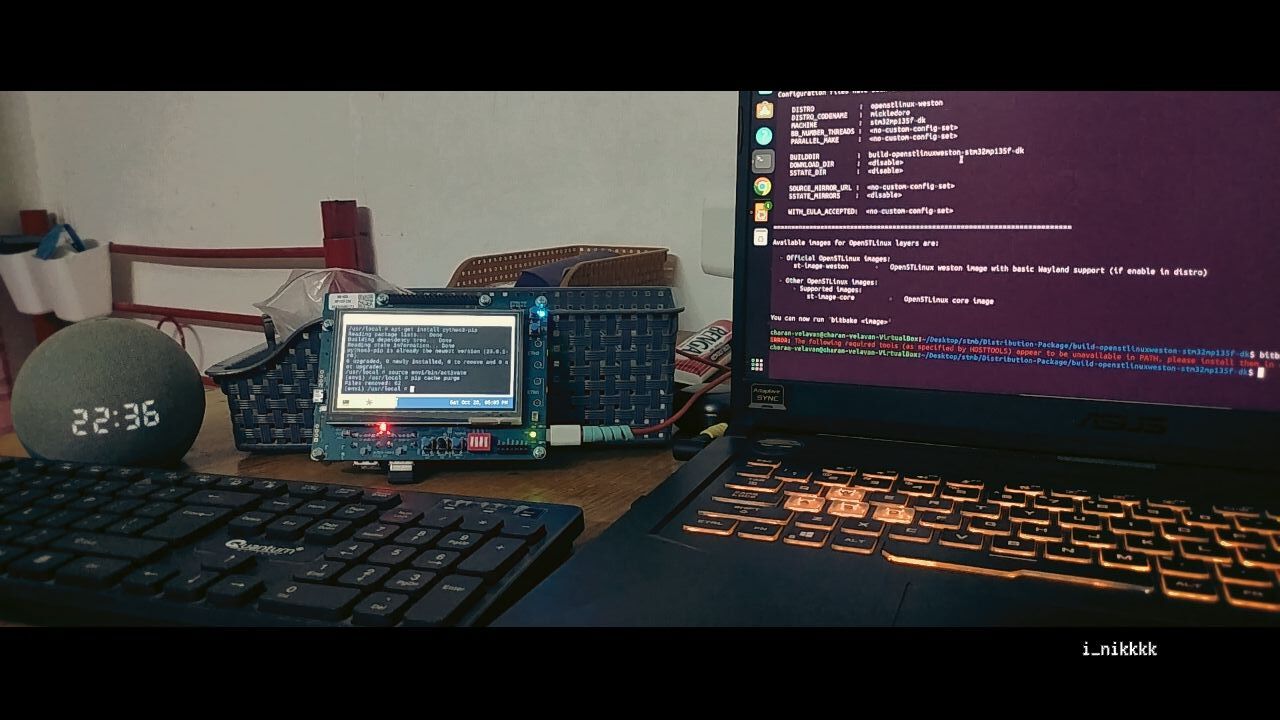
DEMS (Domestic Emotion Monitoring System) is an innovative embedded AI solution designed to revolutionize mental health evaluation. Built on STM32MP135F-DK microcontroller with TensorFlow Lite, the system analyzes facial expressions in real-time to predict emotions (angry, happy, sad, neutral), providing psychiatrists with data-driven insights and graphical analysis to accelerate diagnosis and improve patient outcomes.
View ProjectRecognition
📸Project Gallery
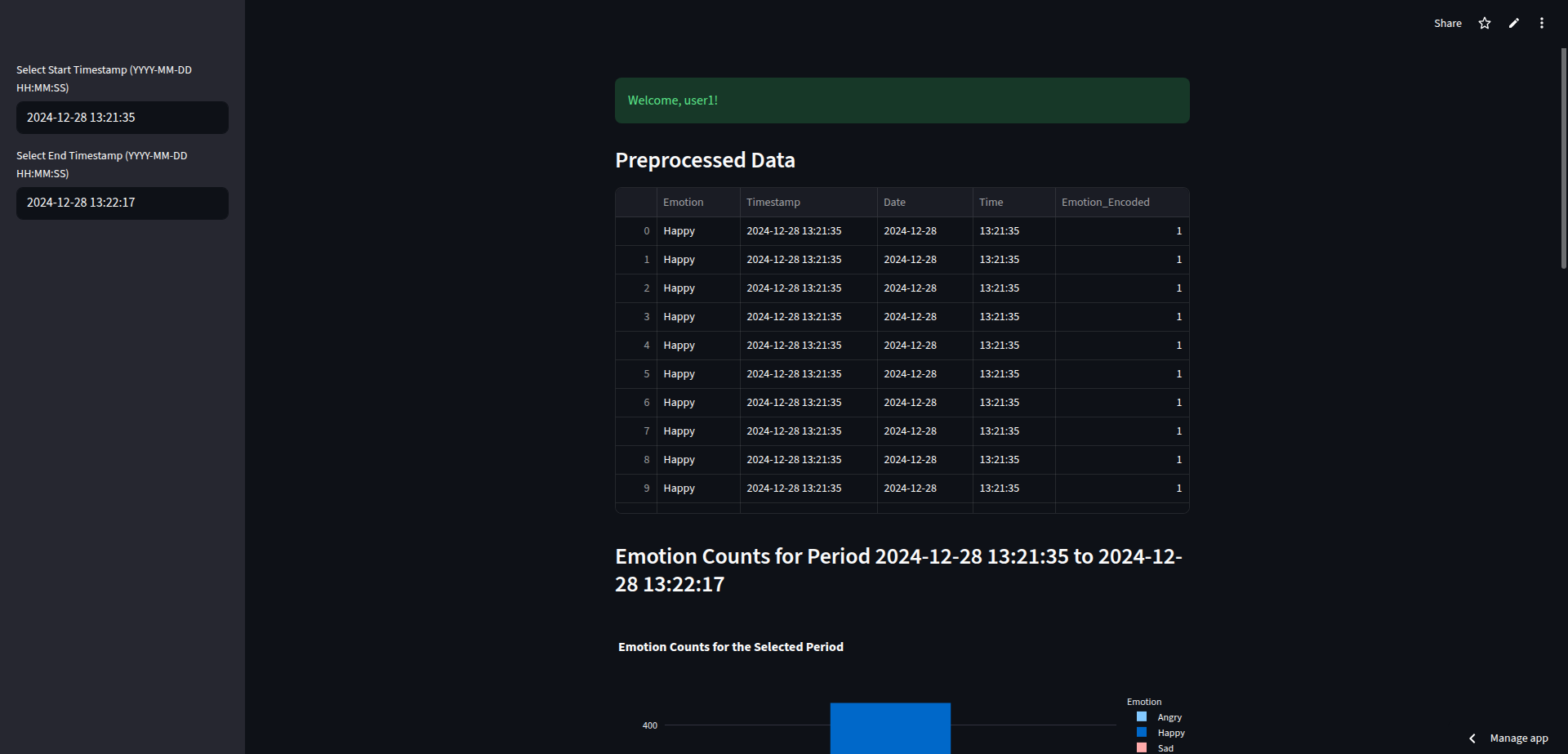
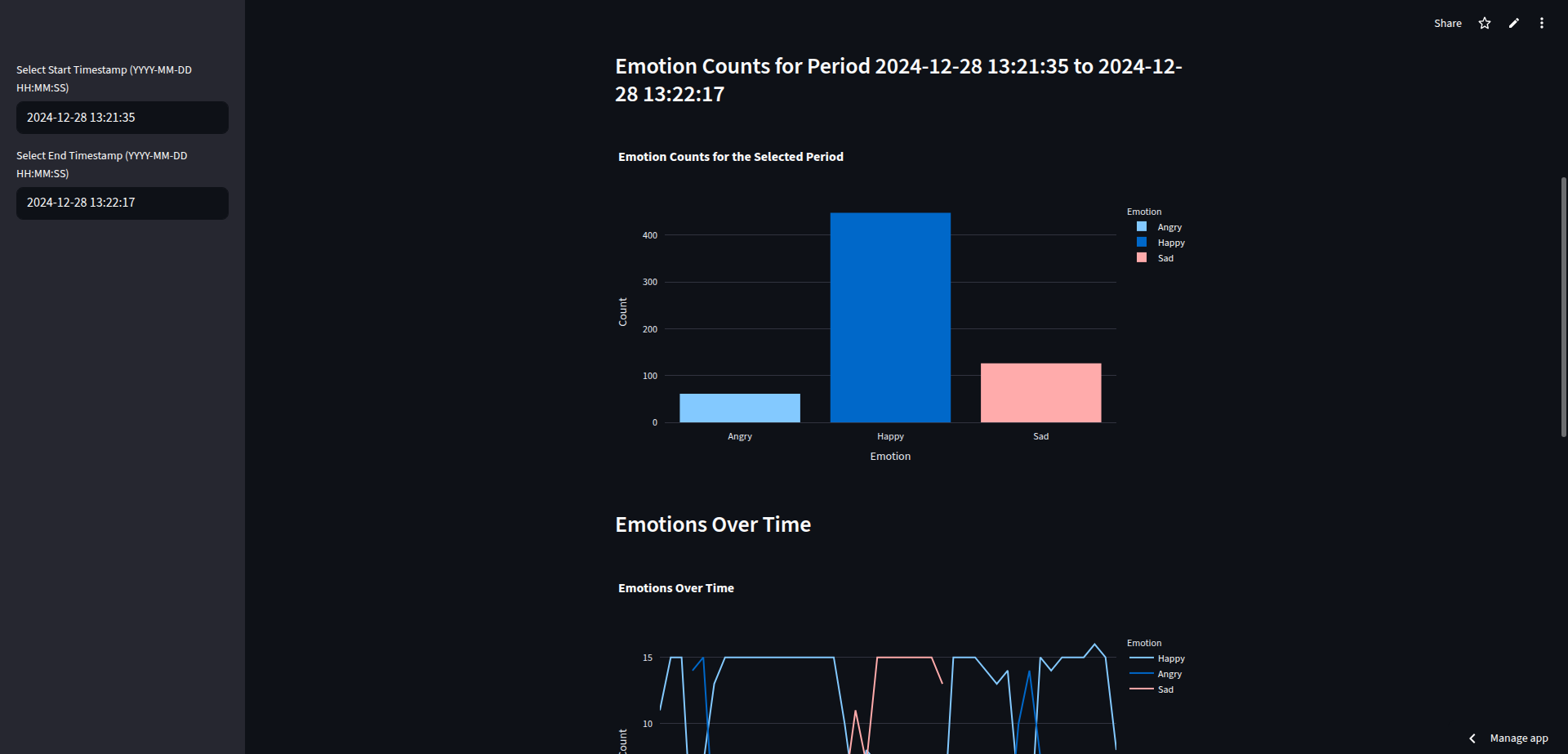
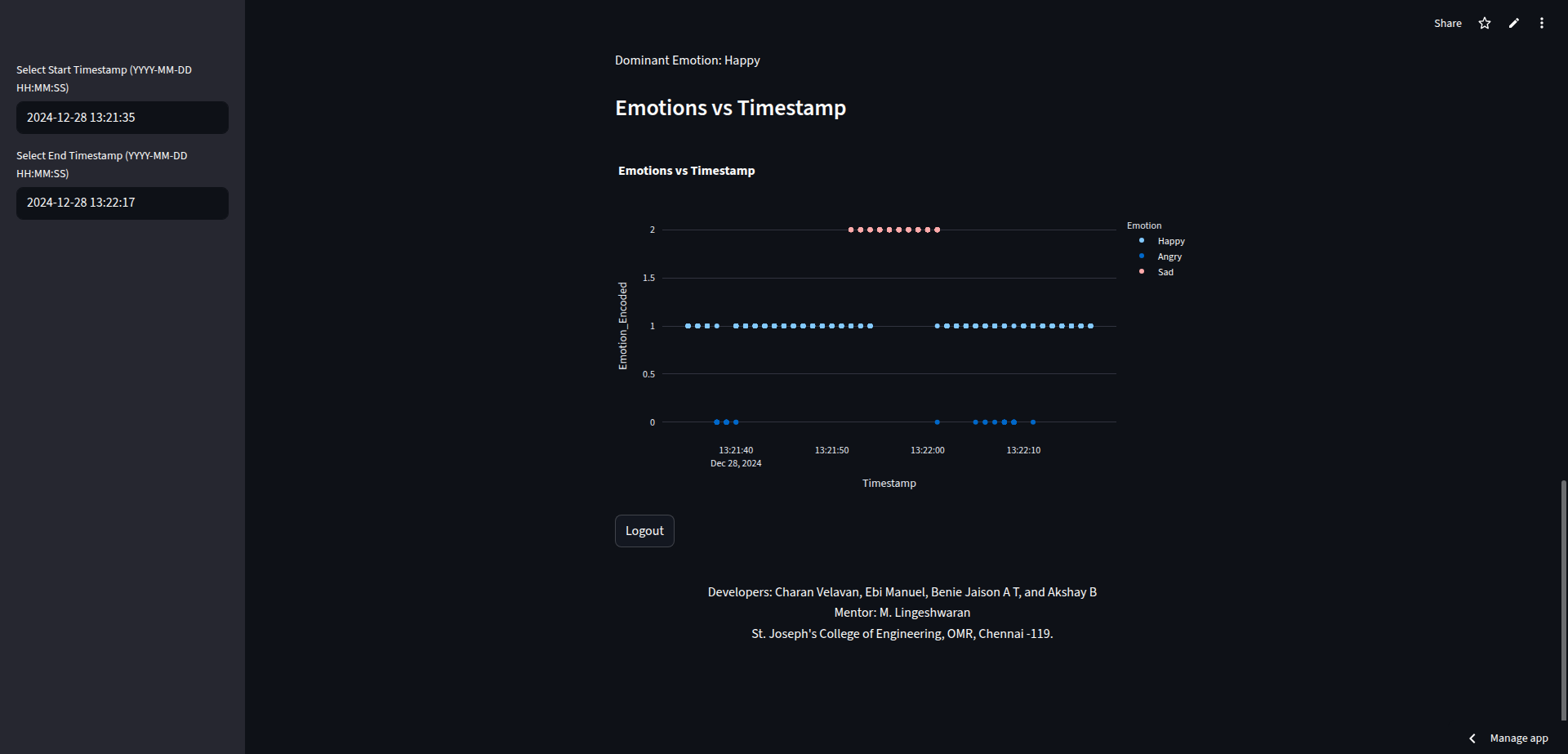
🎬Project Media
👤My Role & Contributions
Team Lead & Embedded AI Engineer
Key Responsibilities
- •Led a team of 5 members (Team Ravagers) in developing the DEMS system from concept to deployment
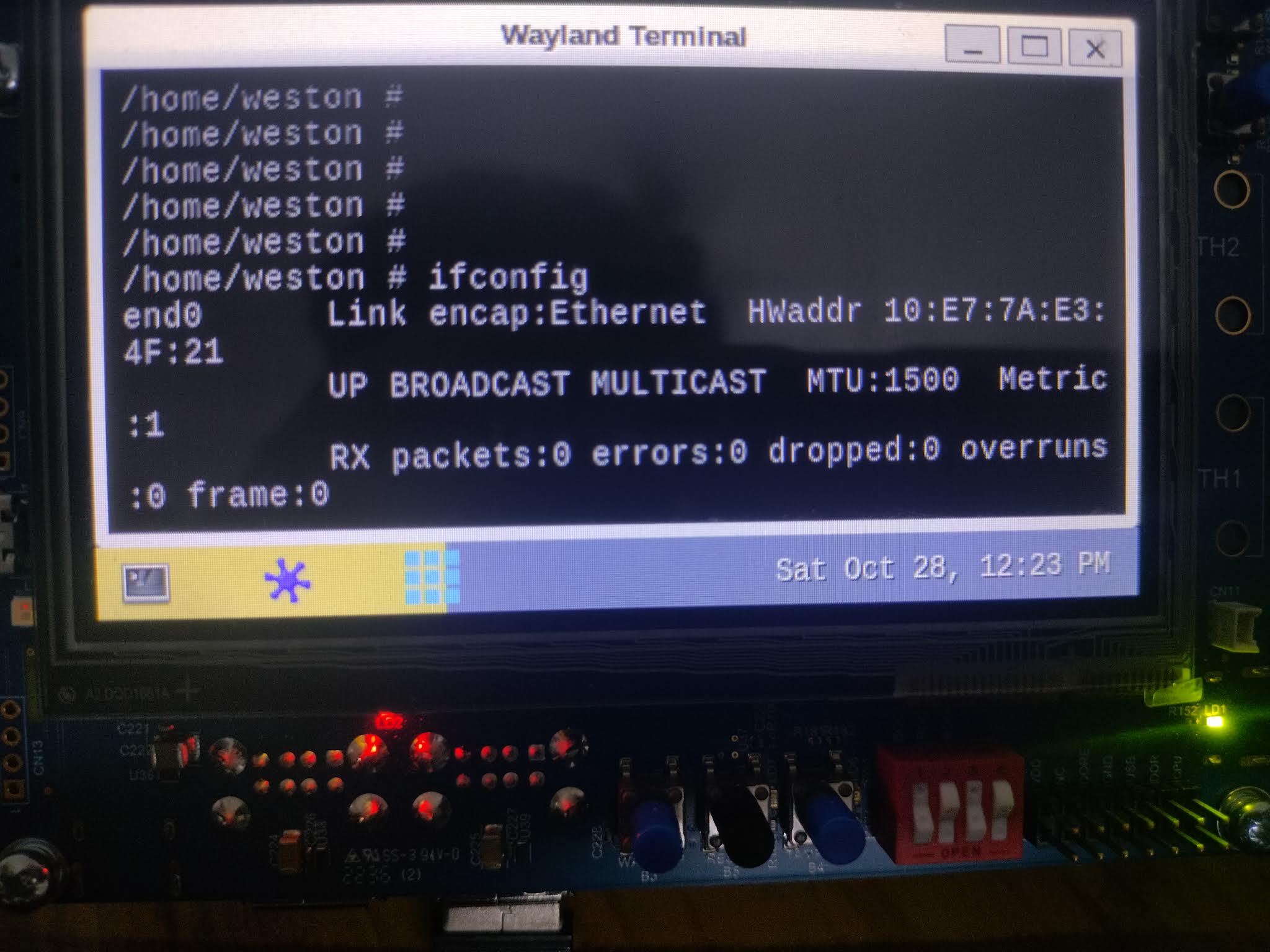
- •Architected the embedded AI solution on STM32MP135F-DK microcontroller platform
- •Implemented and optimized TensorFlow Lite models for real-time emotion detection on resource-constrained hardware
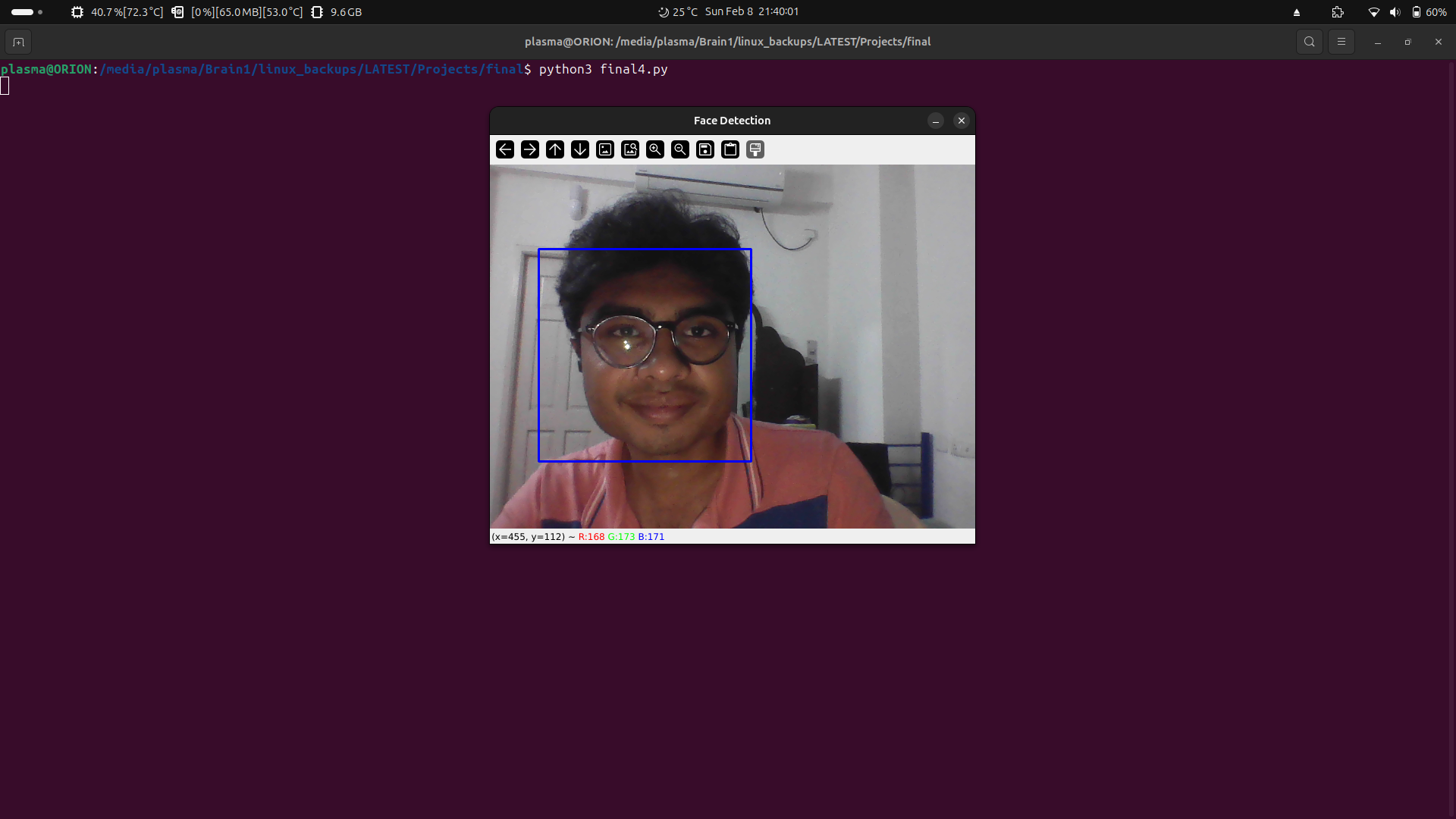
- •Developed facial expression analysis algorithms to classify emotions (angry, happy, sad, neutral)
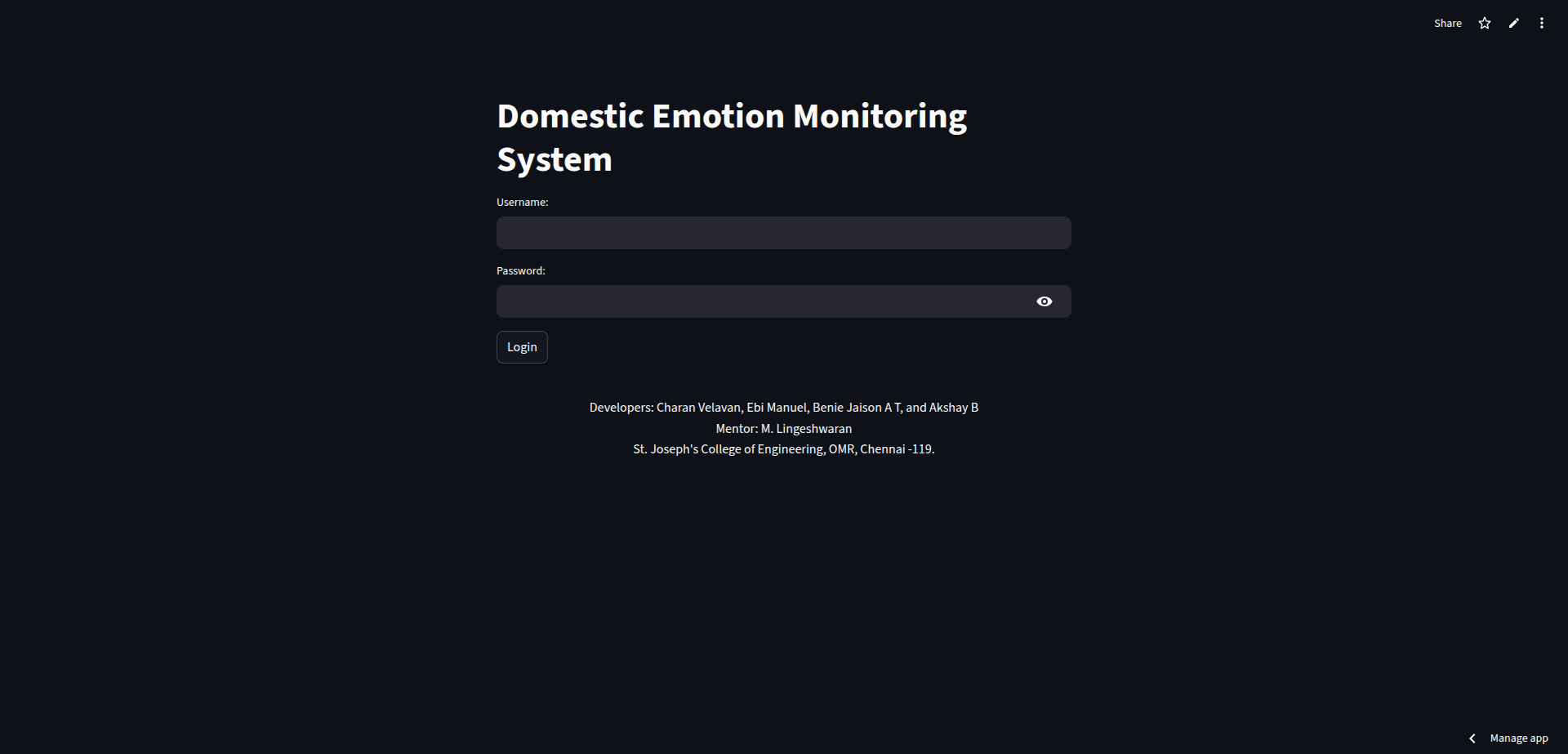
- •Designed and implemented the web application using Streamlit for desktop access
- •Coordinated mobile application development using MIT App Inventor for on-the-go monitoring
- •Integrated camera hardware (HP Webcam 720p) with embedded system for real-time image capture
- •Implemented data storage and retrieval system using SD card for patient emotion history tracking
- •Created graphical analysis and visualization features for emotion pattern recognition
- •Managed project budget (₹15,000) covering STM32 board, HD cameras, and miscellaneous expenses
- •Coordinated with mental health expert Dr. A. Turin Martina for system validation and feedback
- •Prepared comprehensive project documentation and product demonstration materials
Technologies Used
Problem
Mental health disorders affect millions globally, with 43.8 million adults experiencing mental illness annually and 5.6 crore Indians suffering from depression and other mental disorders according to WHO. The diagnosis process for mental health conditions is time-consuming, often taking weeks or even years, purely based on the psychiatrist's subjective perspective. Countless hours are wasted analyzing patients with mental disorders due to lack of objective, data-driven assessment tools. The variation of emotions can be measured from an individual's past data, but current methods lack systematic tracking and analysis capabilities to speed up the diagnostic process.
Approach
- •Designed and implemented an embedded AI system on STM32MP135F-DK microcontroller (Arm Cortex-A7, 1GHz) for real-time emotion detection
- •Developed facial expression analysis using TensorFlow Lite optimized for resource-constrained embedded hardware
- •Implemented emotion classification model to predict four emotions: angry, happy, sad, and neutral
- •Created both web application (using Streamlit) and mobile application (using MIT App Inventor) for multi-platform accessibility
- •Integrated HP Webcam 720p W100 for high-quality facial image capture and real-time processing
- •Developed data storage and tracking system using 64GB SanDisk SD card for patient emotion history
- •Implemented graphical analysis and visualization of emotion patterns over time
- •Optimized deep learning model for low-power embedded systems with tight memory and power constraints
- •Utilized Linux OS and PyCharm for development, with GitHub for version control
- •Designed system to provide insights to doctors prior to consultation and aid during investigation
Outcome
- •Successfully deployed real-time emotion detection system on embedded STM32 microcontroller platform
- •Achieved efficient inference within tight memory and power constraints of embedded hardware
- •Developed dual-platform solution with both web and mobile applications for flexible access
- •Created data-driven diagnostic support tool that speeds up mental health diagnosis process
- •Provided psychiatrists with objective emotion tracking and graphical analysis capabilities
- •Aligned with UN Sustainable Development Goal 3 (Good Health and Well-being)
- •Received expert validation from Dr. A. Turin Martina, Head of P.G and Research, Department of Rehabilitation Science
- •Demonstrated working prototype with complete product demonstration
- •Achieved project completion within budget of ₹15,000 INR