Project
5G Network Architecture & O-RAN Implementation
This project involved an in-depth architectural and practical exploration of mobile network evolution from 2G to 5G, with strong emphasis on 5G RAN, O-RAN architecture, Core Network, and industry-aligned deployments. The work combined theoretical understanding with real hands-on setup of 5G RAN and Core using open-source tools, interface-level tracing, and system-level analysis.
📸Project Gallery
🎬Project Media
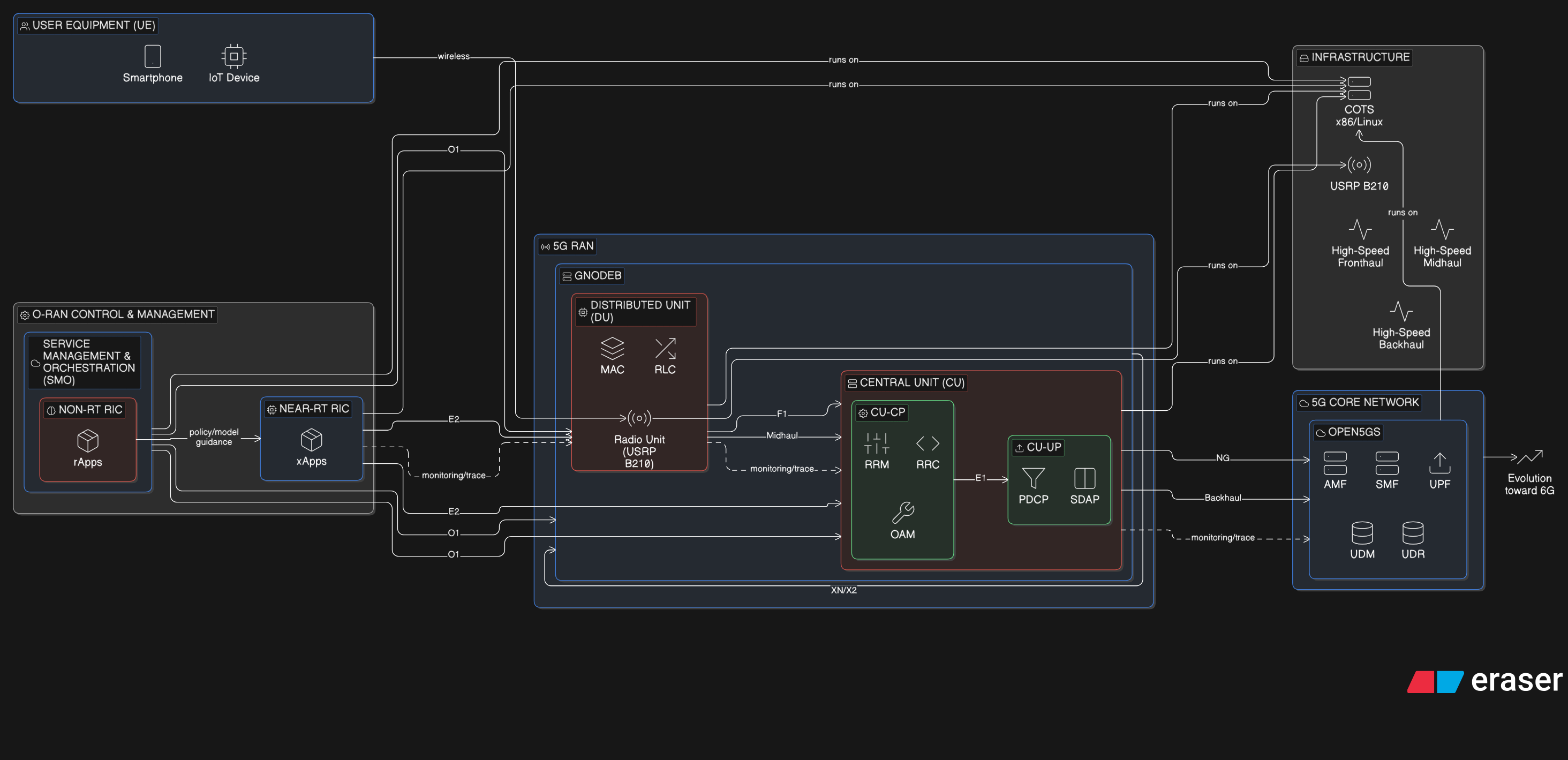
🏗️System Architecture
Click to zoom
Problem
Understanding modern 5G networks requires more than theoretical knowledge. The shift from tightly coupled hardware-based systems to software-driven, platform-agnostic (COTS) architectures introduces complexity across RAN, Core, interfaces, splits, and orchestration layers. Bridging this gap demands hands-on exposure to real deployments and interfaces.
Approach
- •Studied the evolution of mobile communication systems from 2G → 3G → 4G → 5G, including India's role in this transition
- •Analyzed the shift from hard-coded hardware platforms to software-defined, COTS-based architectures
- •Gained detailed understanding of 5G RAN architecture, including CU/DU separation
- •Studied Layer 3 modules (RRC, PDCP, SDAP, RRM, OAM) and Layer 2 modules (MAC, RLC)
- •Analyzed major 5G interfaces: NG, XN, X2, O1, E1, F1, E2, and FAPI
- •Compared functional splits (Split 2, 6, 7.2x, 8) with their pros and cons
- •Explored O-RAN architecture, including SMO, Non-RT RIC, Near-RT RIC, rApps, and xApps
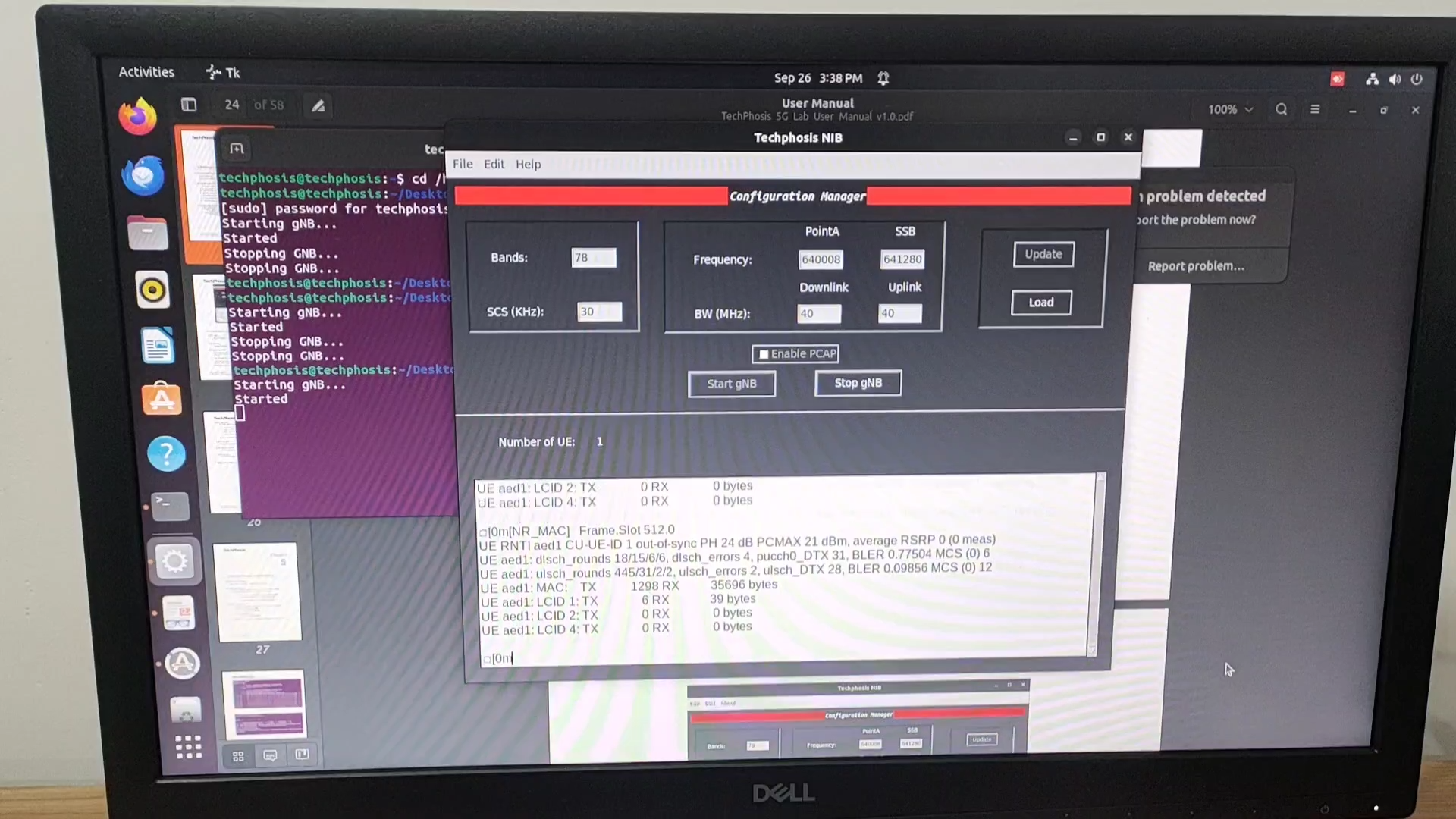
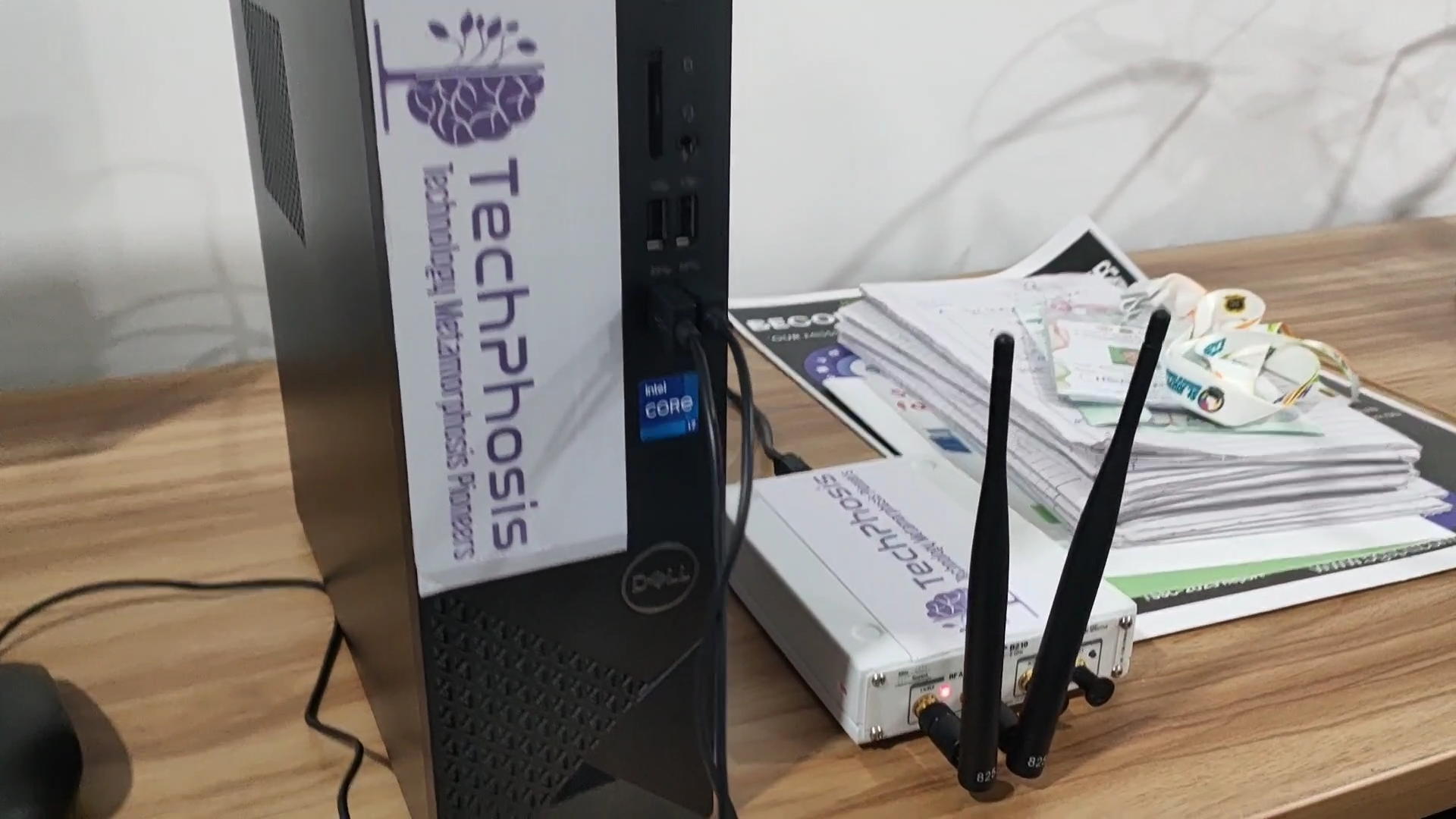
- •Performed hands-on deployment of 5G RAN and Core Network using open-source platforms
- •Captured and analyzed protocol traces at different interface levels
- •Modified source code, compiled components, and validated end-to-end call flows
Outcome
- •Developed a strong architectural and practical understanding of 5G networks
- •Gained hands-on experience in deploying and analyzing 5G RAN and Core components
- •Understood interface-level behavior, functional splits, and network orchestration concepts
- •Built industry-relevant skills aligned with real-world 5G deployments
- •Established a solid foundation for future evolution toward 6G